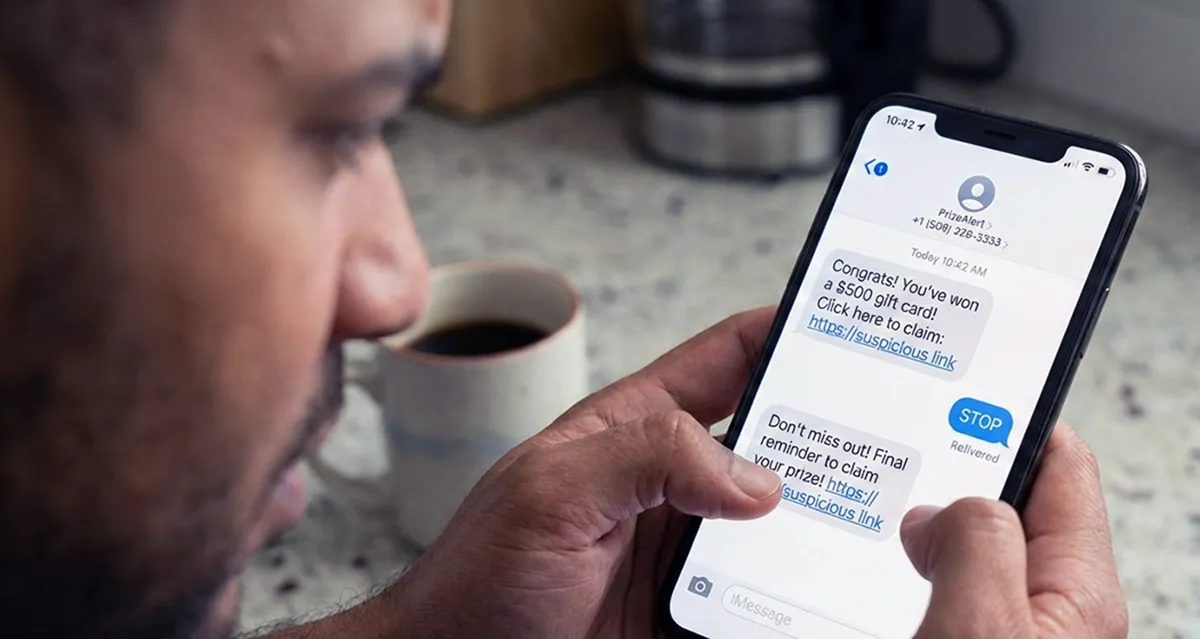
People on the National Do Not Call Registry who received more than one marketing text from Brident Dental may be covered by a proposed class action alleging the Fort Worth–based dental chain promoted its clinics by text without consent and without the telephone-seller registration Texas requires. No class has been certified and there is nothing to file yet.

Allegations Only · No Settlement Yet
This article describes a class action complaint. The statements below are unproven allegations. Brident, Inc. has not been found liable, there is no certified class, and nothing to claim at this time. This page is informational and is not legal advice.
Brident Dental Lawsuit at a Glance
Brident, Inc., the Fort Worth, Texas–based company behind the Brident Dental clinics, was sued on November 19, 2026 in a proposed class action over promotional text messages. The case is Gonzalez Ramirez v. Brident, Inc., No. 5:26-cv-07266, in the U.S. District Court for the Western District of Texas, San Antonio Division. A Bexar County resident claims Brident texted ads for its dental services to a cell phone listed on the National Do Not Call Registry, and that the company never registered with the Texas Secretary of State as a telephone solicitation seller.The complaint describes Brident as a dental care provider whose clinics offer general, pediatric, orthodontic, cosmetic and specialty dentistry. As of November 22, 2026, the docket held only the complaint and a request for a summons, both entered November 19. Brident had not filed a response, and no ruling had been made on any of the claims.
Free settlement alerts
Get notified when new class actions open to claims
Join thousands of readers who get the latest class action settlements you may qualify for — delivered straight to your inbox.
The April 2026 Texts at the Center of the Case
The phone in question is described as a personal cell phone used as a residential line, with the plaintiff as its only user. According to the complaint, the number went on the National Do Not Call Registry on September 26, 2024, about a year and a half before the messages started. The plaintiff says there was no existing business relationship with Brident and that the company never received express written consent to send marketing texts.In or around April 2026, the complaint alleges, Brident sent several texts from a toll-free number advertising its dental services. It points to messages on April 24, April 27 and April 28, 2026, and says more arrived during the same month. Screenshots of the messages are included in the filing, and the complaint characterizes each one as a promotion for Brident’s services.
The timing is part of the legal theory. The federal Do Not Call claim requires more than one solicitation within a 12-month period, and three of the dated texts fall inside a five-day window.
Why a Dental Promotion Can Count as Telemarketing
The TCPA was written with phone calls in mind, but the Federal Communications Commission treats text messages as calls under the statute. A marketing text sent to a number on the Registry is therefore measured against the same Do Not Call rule, 47 C.F.R. § 64.1200(c)(2), that governs a sales call to that number.That rule covers telephone solicitations, meaning messages sent to encourage someone to buy goods or services. A cleaning, an orthodontic consultation or a cosmetic procedure is a service, so a text advertising one can fit the definition the same way a retail coupon does. The FCC’s definition carves out messages to people who gave prior express invitation or permission, and messages to people with whom the sender has an established business relationship formed through a recent purchase or inquiry. The complaint addresses both carve-outs directly by alleging the plaintiff had no business relationship with Brident and gave no written consent. Brident has not yet had an opportunity to answer those points in court.
The Three Counts, One by One
- Count I — Federal Do Not Call claim. Section 227(c)(5) of the TCPA lets a person who receives more than one telephone solicitation within 12 months, by or on behalf of the same entity, in violation of the FCC’s Do Not Call rule, sue for up to $500 per violation. If a court finds the violations were willful or knowing, it may award up to three times that amount.
- Count II — Texas Business and Commerce Code § 305.053. This Texas provision gives a person who receives a communication that violates the federal TCPA a separate claim under state law. Count II depends on the same alleged federal violation as Count I. Under this section the complaint seeks $500 per text or actual damages.
- Count III — Texas telephone seller registration, § 302.101. Chapter 302 of the code requires a seller to hold a registration certificate from the Texas Secretary of State before making telephone solicitations from Texas or to buyers in Texas, unless one of the chapter’s exemptions applies. The complaint says the plaintiff’s lawyers searched the state’s registry on November 16, 2026, found no registration for Brident, and concluded that no exemption fits. Citing § 302.302, it seeks up to $5,000 per violation, plus costs and attorney’s fees.
Who the Proposed Classes Would Reach
The complaint seeks to represent three groups, each looking back four years from the filing date. The broadest, the Do Not Call Registry Class, would include anyone in the United States who received more than one text within 12 months promoting Brident’s products or services at a number that had been on the Registry for at least 30 days. The Texas Do Not Call Registry Class applies that same test to people in Texas. The Texas Telephone Solicitation Registration Class would cover people who received a telephone solicitation, as Texas law defines the term, made from Texas or by a seller located in Texas to sell Brident’s products or services while the company lacked a § 302.101 certificate.Beyond damages, the complaint asks the court to certify the classes, declare the texting practices unlawful and order Brident to stop them. It also demands that Brident preserve documents and data tied to the messages. The court has not acted on any of those requests.
A Familiar Complaint From the Same Firm
The plaintiff is represented by Shamis & Gentile, P.A. The Brident filing uses the same three-count structure the firm used in November 2026 against telehealth platform Lemonaid Health in the Eastern District of Texas and against personal lender Reprise Financial in the Northern District of Texas: a TCPA Do Not Call count, a § 305.053 count and a Texas registration count. The registration theory also appears in a separate lawsuit over JCPenney promotional texts.The Brident case differs in its defendant and its timeline. It targets a Texas health care business that runs neighborhood dental offices rather than an online or national brand, and it was filed in San Antonio over texts the complaint places in a single month, April 2026.
Where the Case Stands
The lawsuit is at its opening stage. Once Brident is served, it will have a set period to answer the complaint or ask the court to dismiss it. Class certification would come later and only on a motion by the plaintiff. As of November 22, 2026, the docket showed no response from Brident and none of the allegations had been tested in court. There is no settlement, fund or claim form, so there is nothing for Brident patients or other text recipients to file.Questions
What is Brident, Inc.?
Brident, Inc. is a dental care provider based in Fort Worth, Texas. According to the complaint, it operates Brident Dental clinics that offer general, pediatric, orthodontic, cosmetic and specialty dental services. It is the only defendant in the lawsuit.
Does the Brident Dental lawsuit involve patient records or a data breach?
The complaint is about promotional text messages. It does not describe a data breach or claim that Brident mishandled dental or medical records; its three counts rest on the federal Do Not Call rule and two Texas telephone-solicitation statutes.
Why does the complaint mention the Texas Secretary of State?
Texas Business and Commerce Code § 302.101 requires sellers that make telephone solicitations from or into Texas to hold a registration certificate from the Secretary of State, unless an exemption applies. The complaint says a November 16, 2026 search of that registry turned up no registration for Brident and alleges no exemption covers it. Brident has not responded to that allegation in court.
Is there a Brident Dental settlement or claim form?
There is no settlement, certified class or claim form. The lawsuit was filed on November 19, 2026, and as of November 22, 2026 the docket showed no response from Brident.
Sources
• Docket and class action complaint, Gonzalez Ramirez v. Brident, Inc., No. 5:26-cv-07266 (W.D. Tex., filed November 19, 2026), via CourtListener• Telephone Consumer Protection Act, 47 U.S.C. § 227 (Cornell Legal Information Institute)
• FCC telemarketing and Do Not Call rules, 47 C.F.R. § 64.1200 (Cornell Legal Information Institute)
• Texas Business and Commerce Code, Chapter 302: Regulation of Telephone Solicitation (Texas Legislature)
• Texas Business and Commerce Code, Chapter 305 (Texas Legislature)