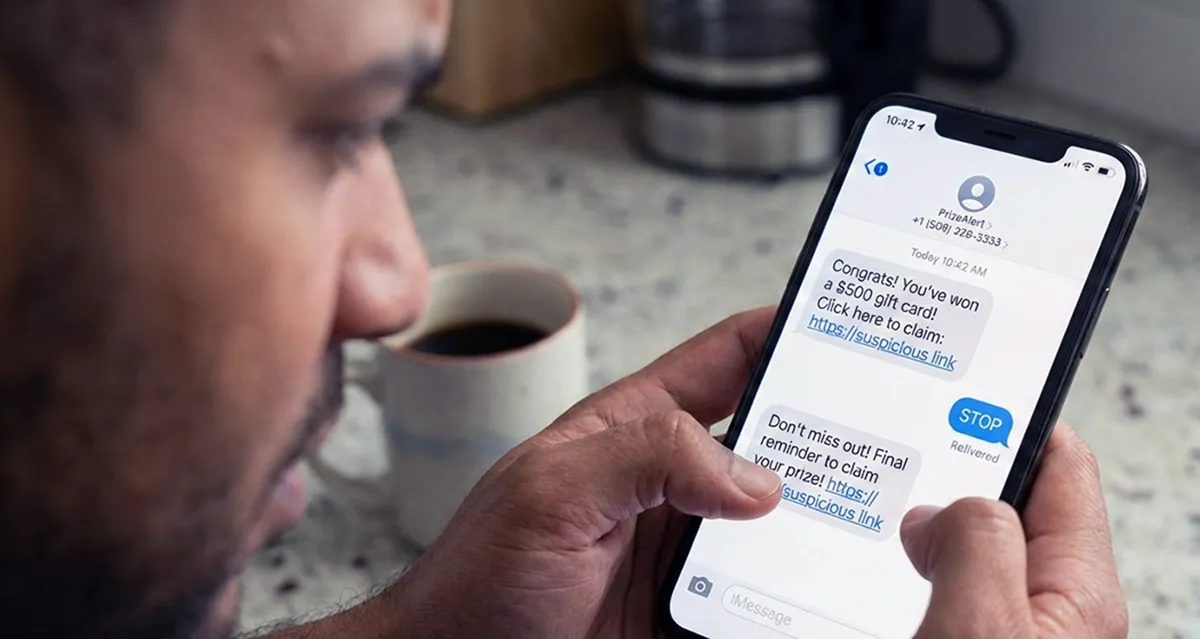
People who got repeated Vivint home security sales calls while on the National Do Not Call Registry, or after asking Vivint to stop, may be covered by a proposed class action alleging the company ignored do-not-call rules under federal and Florida law. No class has been certified and there is nothing to file yet.


Allegations Only · No Settlement Yet
This article describes a class action complaint. The statements below are unproven allegations. Vivint has not been found liable, there is no certified class, and nothing to claim at this time. This page is informational and is not legal advice.
What Is This About?
A proposed class action filed on November 3, 2026 alleges that Vivint LLC, the Utah-based home security and smart-home company, kept making telemarketing calls to a Florida consumer after being asked to stop. The case, Moore v. Vivint LLC, No. 3:26-cv-03039, is in the U.S. District Court for the Middle District of Florida, Jacksonville Division. It claims violations of the federal Telephone Consumer Protection Act and the Florida Telephone Solicitation Act.The plaintiff, a Jacksonville-area resident, says their cell phone number has been on the National Do Not Call Registry since December 2022. The plaintiff says they spoke with a Vivint representative but never signed an agreement with the company. Vivint has not yet responded in court.
Free settlement alerts
Get notified when new class actions open to claims
Join thousands of readers who get the latest class action settlements you may qualify for — delivered straight to your inbox.
What Does the Complaint Allege?
According to the complaint, Vivint representatives called the plaintiff to sell a home security system. On April 27, 2026, the plaintiff replied “Stop” by text to a number the complaint says Vivint uses. The complaint alleges the calls kept coming anyway: at least 11 more between April 28 and June 23, 2026, from two numbers, with callers identifying themselves as calling from Vivint and offering its home security services.The complaint argues that a company able to keep calling should also have been able to honor the request right away. It says the continued calls suggest Vivint does not keep the do-not-call procedures federal rules require: a written policy, trained staff, a recorded request and a five-year record of it. It also alleges that Vivint called a number on the Do Not Call Registry without permission, and that any earlier business relationship ended once the plaintiff asked Vivint to stop.
The Two Laws Involved
The TCPA and the FCC’s rules bar telephone solicitations to residential numbers on the National Do Not Call Registry without permission. They also require any company that telemarkets to keep an internal do-not-call list and honor stop requests within a reasonable time, no more than 10 business days. A person who gets more than one violating call in 12 months may sue for up to $500 per call, or up to $1,500 if the violation was willful or knowing.The Florida Telephone Solicitation Act adds a state rule for calls to consumers in Florida. Once a consumer says they do not want sales calls from a seller, that seller may not call them again, and the complaint notes the Florida law has no grace period. It allows $500 in liquidated damages per violation, up to $1,500 if willful or knowing, plus attorney’s fees.
Who Could Be Covered?
The complaint proposes three classes:- TCPA National Do Not Call class: people in the U.S. who, in the four years before filing, got more than one Vivint telephone solicitation in a 12-month period to a number on the Registry for at least 31 days.
- TCPA Internal Do Not Call class: people in the U.S. who, in the same period, got more than one Vivint telemarketing call in a 12-month period after asking not to be called.
- Florida Internal Do Not Call class: people in Florida who, since July 1, 2021, got one or more Vivint sales calls after saying they did not want them.
What Happens Next?
Vivint will have a chance to respond to the complaint. The plaintiff, represented by Gold Law, P.A., would later have to ask the court to certify a class. If the case settles or the plaintiff wins after certification, class members would be notified, and OpenClassActions.com will cover it.Questions
Who would be covered by the Vivint lawsuit?
The complaint proposes two nationwide classes covering the four years before November 3, 2026: people on the National Do Not Call Registry who got more than one Vivint telemarketing call in a 12-month period, and people who got more than one Vivint telemarketing call after asking it to stop. A third, Florida-only class covers people in Florida who got a Vivint sales call after asking not to be called, going back to July 1, 2021. No class has been certified.
What is the Florida Telephone Solicitation Act?
The Florida Telephone Solicitation Act, Fla. Stat. § 501.059, is Florida's state telemarketing law. Among other things, it bars a seller from making a sales call to a consumer who has said they do not want to receive such calls. It allows $500 in liquidated damages per violation, up to $1,500 if a court finds the violation willful or knowing, plus attorney's fees. Whether Vivint violated it has not been decided.
Is there a Vivint settlement or claim form?
No. The lawsuit was filed on November 3, 2026. There is no settlement, certified class or claim form, and Vivint has not yet responded in court.
Sources
• Class action complaint, Moore v. Vivint LLC, No. 3:26-cv-03039 (M.D. Fla., filed November 3, 2026)• Docket, Moore v. Vivint LLC, via CourtListener
• 47 C.F.R. § 64.1200, the FCC’s Do Not Call rules (Cornell Legal Information Institute)
• Fla. Stat. § 501.059, the Florida Telephone Solicitation Act (Florida Legislature)