Published
November 20, 2026
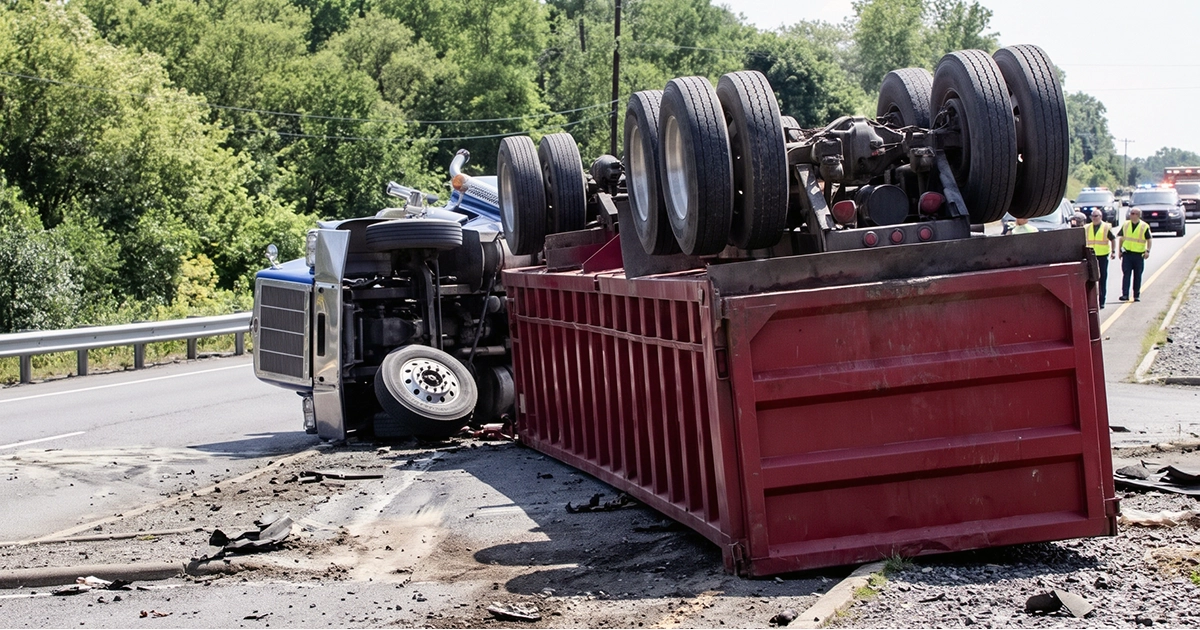

That can make liability more complicated than it first appears. The circumstances of the crash may determine who is liable in a truck accident, while the relationship between the driver and the business can affect which insurance policy responds. In a serious collision, the available truck accident insurance coverage limits can also become an important part of the claim.
For someone injured in a commercial vehicle crash, identifying the responsible parties is only part of the process. It can also be necessary to identify every applicable source of insurance and determine how the different layers of responsibility fit together.
Who Can Be Responsible for a Commercial Vehicle Crash?
Liability depends on the circumstances of the collision. A commercial vehicle does not automatically make the company responsible for everything its driver does. Several parties may potentially have legal or financial responsibility, and sorting through those relationships can be an important part of a claim.This is one area where what a car accident lawyer handles can extend beyond dealing with the other driver's insurance company. A lawyer may investigate who was operating the vehicle, who owned it, what the driver was doing at the time, and whether another business or individual contributed to the collision. The investigation can also involve company records, vehicle maintenance, employment arrangements and insurance coverage.
1. The commercial vehicle driver
The driver may be liable if their negligence caused the collision. Examples include:- Distracted driving
- Speeding or unsafe driving
- Failing to yield
- Driving while impaired
- Following too closely
- Ignoring traffic signals
- Failing to properly secure a load
2. The employer or vehicle owner
A company may also face liability for an employee's actions performed in the course of their work. This is commonly described as vicarious liability employer accident law.For example, imagine a delivery driver causes a serious collision while making deliveries for their employer. Depending on the facts and applicable law, the employer may be responsible for the driver's negligence.
The company's role can also become important if there were separate problems involving hiring, training, supervision, maintenance or vehicle safety.
3. A trucking or transportation company
A trucking company may have responsibilities beyond employing the driver. Depending on the situation, investigators may look at driver qualifications, hours of service, maintenance records, dispatch practices and other operational issues.These responsibilities are governed by a range of federal, provincial and territorial requirements. Transport Canada explains that Canada's National Safety Code covers areas including driver licensing, hours of service, vehicle maintenance and inspections, cargo securement and carrier safety.
If a mechanical problem contributed to the crash, for example, responsibility may extend beyond the person behind the wheel.
4. A vehicle manufacturer or repair company
Sometimes the driver did everything reasonably expected and the vehicle itself failed.Defective brakes, steering components, tires or other equipment can contribute to a serious collision. Poorly performed repairs or inadequate maintenance can raise another set of liability questions.
That can bring a manufacturer, repair shop or maintenance provider into the claim.
5. Another company involved in the load or delivery
Commercial transportation often involves several businesses.A shipping company may hire a carrier. A carrier may subcontract transportation to another operator. A warehouse may load the vehicle. Another company may supply equipment or cargo.
If improper loading or an unsecured load contributed to the collision, responsibility may involve parties that were nowhere near the crash.
So Who Pays After a Commercial Vehicle Accident?
The answer depends on who was legally responsible and what insurance coverage applies.This is where a commercial vehicle claim can become more complicated than a typical two-car collision.
A commercial vehicle may be insured under a business auto policy rather than a personal auto policy. The company may also carry additional liability coverage depending on its operations.
Potential sources of coverage can include:
- The commercial vehicle's liability insurance
- The driver's applicable insurance
- The employer's liability coverage
- A contractor's commercial policy
- A carrier's trucking insurance
- Additional policies covering specific vehicles, cargo or operations
What Are Commercial Truck Insurance Coverage Limits?
One of the biggest questions after a serious commercial vehicle collision is how much insurance is available to cover the losses.Truck accident insurance coverage limits vary based on the type of vehicle, its use, the business operation, the insurer and the policy purchased.
A small company car used for sales calls can have very different coverage from a heavy truck hauling commercial freight.
Coverage limits also matter because serious collisions can generate substantial losses. Medical treatment, rehabilitation, lost income, property damage and other losses can quickly add up when someone suffers significant injuries.
The important point is that the presence of a commercial insurance policy does not automatically tell you how much coverage is available. The policy itself needs to be reviewed.
Does the Company Always Pay for the Driver's Mistake?
No.This is one of the most common misconceptions surrounding company vehicles.
The fact that a vehicle belongs to a business does not automatically make the business liable for every collision involving that vehicle.
The driver's employment status, what they were doing at the time, the relationship between the driver and company, and the circumstances of the collision can all affect liability.
For example, an employee making a scheduled delivery for their employer presents a very different situation from someone using a company vehicle for an unrelated personal activity.
That distinction can become important when determining company vehicle accident who pays.
What If the Driver Is an Independent Contractor?
This can make a claim more complicated.A business may hire an independent contractor to perform deliveries, transport goods or provide another service involving a commercial vehicle. The company may argue that the contractor, rather than the business, is responsible for the driver's actions.
That does not automatically settle the question.
The actual working relationship, contractual arrangements, control over the driver's work and applicable laws can all affect how responsibility is determined.
For a person injured in the collision, identifying every potentially responsible party and every applicable insurance policy can therefore be important.
What Evidence Can Help Establish Liability?
Commercial vehicle collisions can involve records that do not exist in an ordinary passenger-car accident.Depending on the circumstances, useful evidence may include:
- Police reports
- Driver statements
- Witness statements
- Dashcam or surveillance footage
- Photos of the vehicles and accident scene
- Vehicle maintenance records
- Driver logs
- Dispatch records
- Employment or contractor records
- Cargo and loading documentation
- Cellphone or electronic records
- Commercial vehicle inspection records
- Insurance policy information
Preserving relevant records can become particularly important after a serious collision.
What Should You Do After a Crash With a Commercial Vehicle?
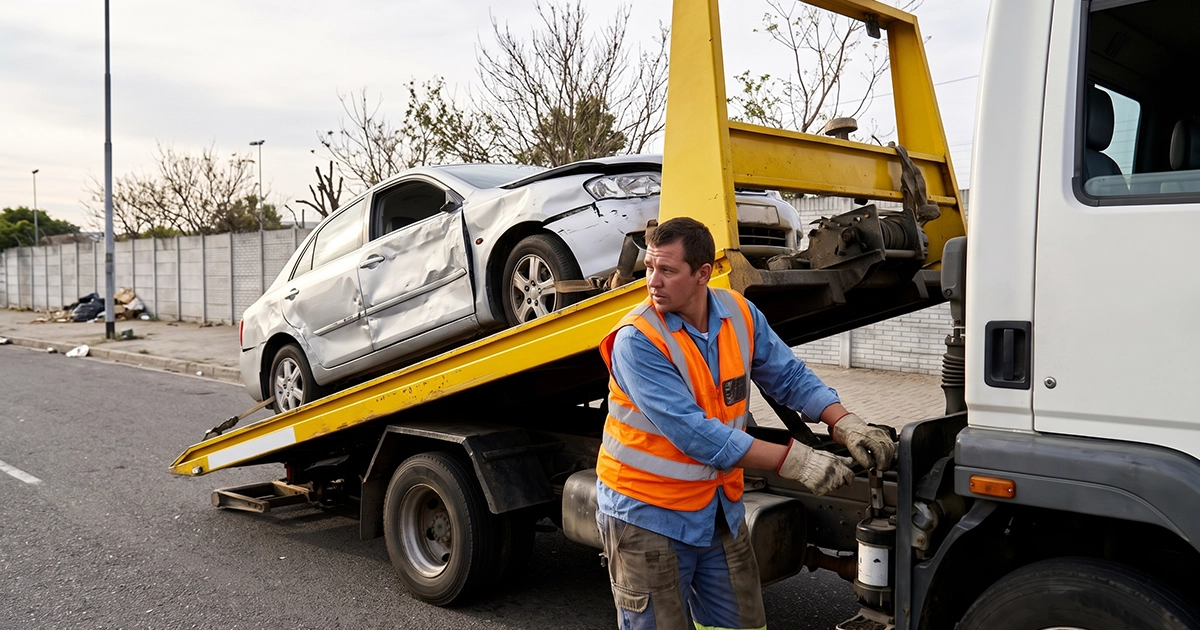
Then document what you can.
At the scene
- Photograph the vehicles and surrounding area.
- Record the commercial vehicle's company name and identifying information.
- Get the driver's name and insurance information.
- Collect contact information from witnesses.
- Note the location, time and road conditions.
- Keep copies of documents connected to the collision.
The company operating the vehicle, the vehicle owner, the carrier and other parties may become relevant later.
A Commercial Vehicle Claim May Involve Several Layers of Coverage
A commercial vehicle collision can involve more than one responsible party and more than one insurance policy. Liability may rest with a driver, employer, vehicle owner, contractor, maintenance provider or another party, depending on the facts.That is why identifying who is liable in a truck accident requires more than looking at who was driving.
The same applies to insurance. A commercial policy can provide liability coverage, but the available limits, exclusions and other applicable policies need to be examined before anyone can determine how a claim may be covered.
If you have been injured in a collision involving a commercial vehicle, gathering the right information early can help clarify who may be responsible and what sources of insurance may be available.
Free settlement alerts
Get notified when new class actions open to claims
Join thousands of readers who get the latest class action settlements you may qualify for — delivered straight to your inbox.
About This Page
OpenClassActions.com is a consumer news and information site, not a law firm. This article is general information about liability and insurance after commercial vehicle crashes. It is not legal advice, and reading it does not create an attorney-client relationship.
For more class actions keep scrolling below.