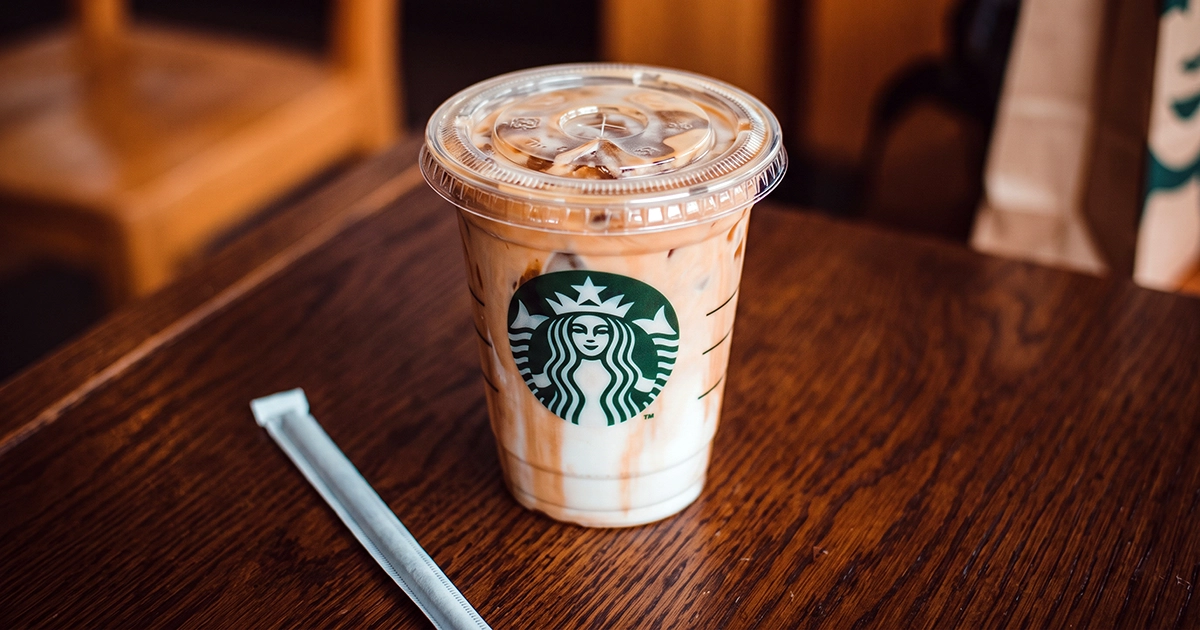
Customers who bought Starbucks “Sugar-Free” vanilla or caramel protein lattes or protein matchas may be covered by a proposed class action alleging Starbucks named the drinks “sugar-free” even though a venti contains 13 to 21 grams of sugar. No class has been certified and there is nothing to file yet.

Allegations Only · No Settlement Yet
This article describes a class action complaint. The statements below are unproven allegations. Starbucks has not been found liable, there is no certified class, and nothing to claim at this time. This page is informational and is not legal advice.
What Is This About?
Three Starbucks customers filed a proposed class action against Starbucks Corporation on October 2, 2026, in the U.S. District Court for the Western District of Washington in Seattle, where the company is based. The case is Walsh v. Starbucks Corporation, No. 2:26-cv-03745. According to news reports on the complaint, it targets eight protein drinks whose names begin with “Sugar-Free” and alleges that each contains between 13 and 21 grams of sugar in a venti, figures the plaintiffs took from Starbucks’ own nutrition information. Starbucks says the claims have no merit and that it will defend the case.Free settlement alerts
Get notified when new class actions open to claims
Join thousands of readers who get the latest class action settlements you may qualify for — delivered straight to your inbox.
What Does the Lawsuit Allege?
The drinks named in the suit are the hot and iced Sugar-Free Vanilla Protein Latte, Sugar-Free Caramel Protein Latte, Sugar-Free Vanilla Protein Matcha and Sugar-Free Caramel Protein Matcha. Based on Starbucks’ published nutrition figures, the complaint says a venti of these drinks has about 270 to 340 calories and between 13 and 21 grams of sugar, with the Sugar-Free Caramel Protein Matcha at 21 grams and the Sugar-Free Vanilla Protein Matcha at 20 grams.The plaintiffs say the sugar is lactose that comes naturally from the protein-boosted milk in the drinks, and that putting “Sugar-Free” at the front of the drink’s name misleads customers regardless of what the nutrition information says. As the complaint puts it, “This case is about false and misleading product names. It is not about missing nutritional information.”
The plaintiffs point to the Food and Drug Administration’s rule for “sugar free” claims, 21 C.F.R. § 101.60(c), which generally limits the term to foods with less than 0.5 grams of sugars per serving, and say the rule also calls for a calorie disclaimer when a food making the claim is not low- or reduced-calorie. The suit brings claims under the consumer protection and false advertising laws of Washington, California and New York, along with breach of implied warranty and unjust enrichment, according to news reports. It seeks damages and an order barring Starbucks from using “Sugar-Free” on drinks that contain sugar.
What Has Starbucks Said?
A Starbucks spokesperson said, “We believe these claims have no merit,” and that the company “has consistently and clearly provided information about its protein beverages, sugar-free options” and their nutrition content through its menus, website and app, adding that “we intend to vigorously defend ourselves in this matter.” Starbucks has said it adds no sugar to the drinks, that the sugar comes from the milk, and that it uses sugar-free syrup for the flavoring. Its website lists the sugar content of each beverage and describes the drinks as made without added sugar.Who Is in the Proposed Class?
According to news reports on the complaint, the plaintiffs, who bought the drinks in California, New York and Washington, ask to represent a nationwide class of customers who purchased the eight beverages, or in the alternative separate classes of buyers in those three states. The plaintiffs are represented by Hagens Berman Sobol Shapiro LLP. One plaintiff filed a declaration on venue under California’s Consumers Legal Remedies Act, a step that accompanies California consumer claims. No class has been certified, and the exact class definition and time period will be set by the complaint and any later court ruling.Similar “Sugar-Free” Label Cases
The Starbucks case differs from a wave of recent “zero sugar” lawsuits that target sweeteners rather than milk sugar. Suits against products such as Monin “Sugar Free” syrups and CVS Well Market drink mix allege that allulose, a low-calorie sugar, makes a “sugar-free” label misleading. Here, the plaintiffs say the sugar is ordinary lactose that shows up on Starbucks’ own nutrition listings.What Happens Next?
Starbucks’ response to the complaint is still to come; in cases like this, defendants often move to dismiss, and food-labeling cases frequently turn on whether a reasonable consumer would be misled and whether federal labeling rules preempt state-law claims. Whether a class is certified, and who would be in it, is for the court to decide later. There is no settlement and no claim form today. OCA will update this page as the case develops.Questions
Which Starbucks drinks are in the sugar-free lawsuit?
News reports on the complaint say it covers eight drinks: the hot and iced Sugar-Free Vanilla and Sugar-Free Caramel Protein Lattes and the hot and iced Sugar-Free Vanilla and Sugar-Free Caramel Protein Matchas.
How much sugar is in Starbucks’ sugar-free protein drinks?
Citing Starbucks’ own nutrition information, the complaint puts the sugar in venti sizes of the eight drinks at 13 to 21 grams, with the Sugar-Free Caramel Protein Matcha at 21 grams and the Sugar-Free Vanilla Protein Matcha at 20 grams. The plaintiffs say the sugar is lactose from the milk; Starbucks says it adds no sugar and uses sugar-free syrup.
Is there a Starbucks sugar-free settlement or claim form?
No. The case was filed on October 2, 2026 and is at the complaint stage. There is no settlement, no certified class and no claim form. Starbucks says the claims have no merit and that it will defend the case.
Who is covered by the Starbucks sugar-free lawsuit?
According to news reports on the complaint, the plaintiffs propose a nationwide class of customers who bought the eight drinks, or alternatively separate classes of buyers in California, New York and Washington. No class has been certified.
What does “sugar free” mean under FDA rules?
Under the FDA’s nutrient content claim rule, 21 C.F.R. § 101.60(c), a food generally may be called “sugar free” only if it contains less than 0.5 grams of sugars per reference amount and per labeled serving. The plaintiffs rely on that standard; whether it applies to these restaurant drinks is for the court to decide.
Sources
• Walsh v. Starbucks Corporation, No. 2:26-cv-03745 (W.D. Wash.) — docket• NBC News / Associated Press — “Starbucks lawsuit: Consumers sue over ‘sugar-free’ protein drinks containing sugar,” October 6, 2026
• Fox Business — “Starbucks sued over ‘sugar-free’ protein drinks that contain up to 21 grams of sugar”
• 21 C.F.R. § 101.60 — nutrient content claims for the calorie and sugar content of foods