Foods and drinks sold as “zero sugar,” “sugar free” or “no added sugar” while sweetened with allulose became the target of at least twenty-six proposed class actions between August 12 and October 20, 2026, against brands including Dunkin’, Liquid I.V., Kellogg’s Special K, KIND, Sweet Baby Ray’s, Blues Hog, BodyArmor, Monin, Magic Spoon, Hero Bread, Humm, Trader Joe’s, Duncan Hines, CVS, Goli, Grüns, N!CK’S, Costco and Target, after a federal appeals court held in Franco v. Chobani that allulose counts as a sugar. Every case is at the complaint stage, and there is nothing to claim yet.

Allegations Only · No Settlement Yet
This page describes class action complaints. The statements in them are unproven allegations. None of the companies named below has been found liable, no class has been certified, and there is nothing to claim at this time. This page is informational and is not legal advice.
What Is This About?
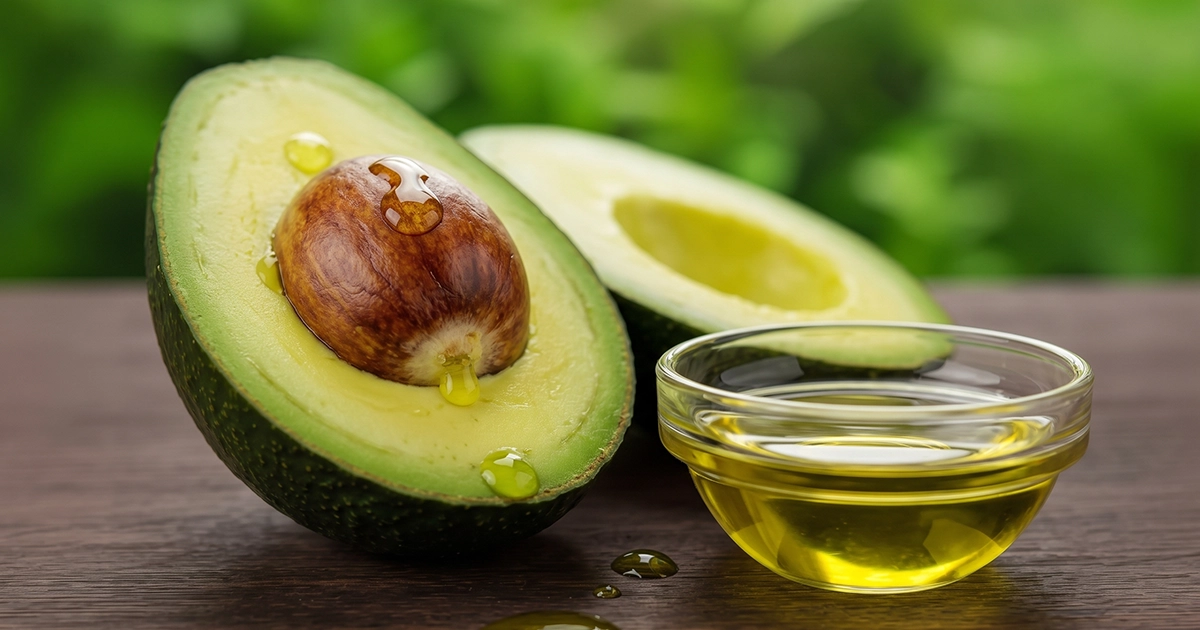
Allulose is a low-calorie sweetener that has become a staple of “zero sugar” snacks, cereals, sauces and drinks. Since federal guidance lets manufacturers leave it off the sugar lines of the Nutrition Facts panel, products sweetened with it can show 0 grams of sugar. On July 27, 2026, the U.S. Court of Appeals for the Seventh Circuit held in Franco v. Chobani, LLC that allulose is nonetheless a “sugar” under the federal labeling definition.Within weeks, plaintiffs filed proposed class actions against other brands that pair allulose with “zero sugar,” “sugar free” or “no added sugar” claims. OCA has counted at least twenty-six, filed between August 12 and October 20, 2026, in California, Illinois, New York, New Jersey, Florida, Massachusetts, Oregon, Rhode Island and Washington. All are at the earliest stage, and none of the companies has been found liable. This page lists every case OCA has confirmed and is updated as new ones are filed or decided.
Free settlement alerts
Get notified when new class actions open to claims
Join thousands of readers who get the latest class action settlements you may qualify for — delivered straight to your inbox.
Every Allulose Lawsuit So Far
Newest first. Each brand links to OCA’s full page on that case, with the complaint, the products named and the proposed class.| Brand and Label Claim | Case and Court | Filed |
|---|---|---|
| Target (Up & Up)Sugar-Free Hydration Supplement Powder “Sugar Free” | Williams v. Target CorporationN.D. Ill. · No. 1:26-cv-12870 | Oct. 20, 2026 |
| Dunkin’ (Inspire Brands)Dunkin’ Zero energy drinks “0g of sugar” | Bondi v. Dunkin’ Brands, Inc.D. Mass. · No. 1:26-cv-14738 | Oct. 19, 2026 |
| Blues HogChampions’ Blend “Sugar Free” BBQ Sauce | Lee v. Blues Hog, LLCN.D. Ill. · No. 1:26-cv-12226 | Oct. 6, 2026 |
| Genius GourmetNut Roll Protein Bars “0g Added Sugar” | Edwards v. Genius Gourmet, Inc.N.D. Ill. · No. 1:26-cv-12126 | Oct. 2, 2026 |
| CVS (Well Market)Drink Mix Replenish “Zero Sugar” / “Sugar Free” | Colby v. CVS Health CorporationD.R.I. · No. 1:26-cv-00717 | Oct. 1, 2026 |
| Costco (Kirkland Signature)Hydration Electrolyte Drink Mix “Sugar-Free” | Maldonado v. Costco Wholesale CorporationW.D. Wash. · No. 2:26-cv-03702 | Sept. 30, 2026 |
| Dunkin’ (Inspire Brands)Dunkin’ Zero energy drinks “0g of sugar” | Wells v. Dunkin’ Brands, Inc.D. Mass. · No. 1:26-cv-14463 | Sept. 30, 2026 |
| Dunkin’ (Inspire Brands)Dunkin’ Zero energy drinks “0g of sugar” | Schoenrock v. Dunkin’ Brands, Inc.E.D.N.Y. · No. 2:26-cv-06058 | Sept. 29, 2026 |
| Humm KombuchaProbiotic Kombucha “Zero Sugar” | James v. Humm Kombucha LLCD. Or. · No. 3:26-cv-02009 | Sept. 29, 2026 |
| GoliApple Cider Vinegar, Ashwagandha+ and probiotic gummies “Zero Sugar” | Bruno v. Goli Nutrition, Inc.C.D. Cal. · No. 2:26-cv-11039 | Sept. 24, 2026 |
| Keto Pint (Upstar Nutrition)ice creams and bars “Zero Added Sugar” · California buyers | Savage v. Upstar Nutrition, Inc.C.D. Cal. · No. 8:26-cv-02684 | Sept. 18, 2026 |
| Duncan Hines (Conagra Brands)Keto Friendly baking mixes “0g Added Sugar” | Sanderson v. Conagra Brands, Inc.N.D. Ill. · No. 1:26-cv-11420 | Sept. 17, 2026 |
| Trader Joe’sSweet & Sour Gummy Worms “0g Sugar” | Parker v. Trader Joe’s CompanyN.D. Ill. · No. 1:26-cv-11360 | Sept. 16, 2026 |
| Trader Joe’s“No Sugar Added” Dark Chocolate Chips | Alexander v. Trader Joe’s CompanyN.D. Ill. · No. 1:26-cv-11329 | Sept. 16, 2026 |
| BodyArmorFlash I.V. “Zero Sugar” · California buyers | Walsh v. BA Sports Nutrition, LLCC.D. Cal. · No. 2:26-cv-10366 | Sept. 14, 2026 |
| Hero Breadbuns, tortillas, biscuits and scones labeled “0G Sugar” | Martin v. Hero Labs, Inc.N.D. Cal. · No. 3:26-cv-10433 | Sept. 14, 2026 |
| N!CK’S (Luthman Backlund)light ice cream “no added sugar” | Avalos v. Luthman Backlund Foods USA Inc.E.D. Cal. · No. 2:26-cv-03137 | Sept. 11, 2026 |
| Magic SpoonProtein Cereal “0 Added Sugar” | Royal v. Magic Spoon Inc.N.D. Ill. · No. 1:26-cv-10993 | Sept. 10, 2026 |
| KIND (Mars)nut bars “Zero G Added Sugar” | Bauer v. KIND, LLCM.D. Fla. · No. 8:26-cv-02622 | Sept. 9, 2026 |
| Sweet Baby Ray’s (Ken’s Foods)barbecue and dipping sauces “No Sugar Added” | Trapasso v. Ken’s Foods, LLCD. Mass. · No. 1:26-cv-14120 | Sept. 8, 2026 |
| Monin17 “Sugar Free” syrups and sweetener · California buyers | De La Paz v. Monin, Inc.C.D. Cal. · No. 2:26-cv-10024 | Sept. 8, 2026 |
| Grüns (Unilever)greens, immün and nütrops gummies “Sugar Free” | Ulberg v. Grüns Nutrition, Inc.D.N.J. · No. 2:26-cv-11269 | Aug. 31, 2026 |
| KINDnut bars “ZEROg Added Sugar” · second KIND suit | Coprew v. KIND LLCS.D.N.Y. · No. 1:26-cv-07380 | Aug. 28, 2026 |
| Special K (WK Kellogg)same cereals · second Special K suit | Valadez v. WK Kellogg Co.N.D. Cal. · No. 5:26-cv-09060 | Aug. 27, 2026 |
| Special K (WK Kellogg)three cereals labeled “Zero Added Sugar” | Bender-Long v. WK Kellogg CoC.D. Cal. · No. 2:26-cv-09438 | Aug. 24, 2026 |
| Liquid I.V. (The LIV Group)Hydration Multiplier Sugar-Free “Sugar Free” / “Zero Sugar” | Ulrich v. The LIV Group, Inc.N.D. Cal. · No. 3:26-cv-08349 | Aug. 12, 2026 |
Why Allulose Is at the Center of These Cases
Allulose is a monosaccharide, a simple sugar that is chemically close to fructose and about 70% as sweet as table sugar. Federal labeling rules define “sugars” as all free monosaccharides and disaccharides, so on the face of the regulation allulose fits.In 2020, though, the FDA issued guidance saying it would not object if manufacturers left allulose out of the Total Sugars and Added Sugars lines on the Nutrition Facts panel, on the reasoning that it is not metabolized the way table sugar is, has far fewer calories and causes little rise in blood sugar. That is why products made with several grams of allulose can show 0 grams of sugar. The lawsuits argue the guidance governs the Nutrition Facts panel but does not change what counts as a sugar, so front-of-package claims like “zero sugar” or “no added sugar” are still false.
The Ruling That Started the Wave
Franco v. Chobani, LLC, No. 25-2087, was a consumer suit over a “zero sugar” Chobani yogurt containing about 4 grams of allulose per serving. The trial judge deferred to the FDA guidance, held the state-law claims preempted and dismissed the case. On July 27, 2026, the Seventh Circuit reversed, holding that allulose is a sugar under the regulation and that the guidance does not override the regulation’s text. The federal government, invited by the court to weigh in, had filed an amicus brief taking the position that allulose is a sugar under the definition.The decision binds federal courts in Illinois, Indiana and Wisconsin, which is one reason several of the new suits were filed in Chicago. Courts elsewhere, including in California, New York, New Jersey, Florida, Massachusetts, Oregon, Rhode Island and Washington, can find it persuasive but are not bound by it.
“Sugar Free” vs. “No Added Sugar”
The suits do not all challenge the same kind of claim, and the difference matters. A “sugar free” or “zero sugar” claim is allowed under federal rules if a serving has less than 0.5 grams of sugars, so those suits turn on how much allulose a serving contains; the Humm complaint, for example, puts it at about 10 grams a can. A “no added sugar” claim, the kind on Sweet Baby Ray’s sauces, KIND’s Zero G bars, Special K and Trader Joe’s chocolate chips, is allowed only if no sugar is added during processing at all, so those complaints argue that adding any allulose disqualifies the product regardless of amount.What the Companies Argue
Defendants in allulose cases have generally argued that the FDA guidance permits their labels, that federal law preempts state-law claims about labeling the FDA regulates, and that a shopper who sees 0 grams of sugar on the Nutrition Facts panel is not misled. Franco undercuts the first two arguments in the Seventh Circuit but does not settle them anywhere else, and none of the thirteen cases listed here has produced a ruling on a motion to dismiss yet.Can Consumers Get Money?
Not now. A class action pays out only after a settlement is approved or the plaintiffs win, and none of these cases is close to either. If one does settle, the court-approved notice will say who qualifies, what proof a claim needs and the deadline, and OCA will publish it as a claimable settlement. Until then there is nothing to file and no deadline to miss.Questions
Is allulose a sugar?
Chemically, yes: allulose is a monosaccharide, a rare sugar closely related to fructose. In July 2026 the Seventh Circuit held in Franco v. Chobani, LLC that it counts as a sugar under the federal food labeling definition. FDA guidance from 2020 nonetheless lets manufacturers leave it out of the sugar lines on the Nutrition Facts panel, because it has far fewer calories than table sugar and causes little rise in blood sugar. That gap between the definition and the guidance is what the lawsuits are about.
Why are there so many allulose lawsuits now?
The Seventh Circuit’s July 27, 2026 decision in Franco v. Chobani revived a sugar free claim over yogurt sweetened with allulose and held that the FDA’s allulose guidance does not override the regulation. Within weeks, plaintiffs filed similar suits against other brands that pair allulose with zero sugar or no added sugar claims.
Can I get money from an allulose lawsuit?
Not yet. Every case on this list is at the complaint stage. No class has been certified, no company has been found liable and none has settled, so there is no claim form. Money would only become available if a case settles or the plaintiffs win.
Is a sugar free claim different from a no added sugar claim?
Yes. Under federal rules a sugar free food must have less than 0.5 grams of sugars per serving, so the question is how much allulose a serving contains. A no added sugar claim is allowed only if no sugar is added during processing at all, so the suits over no added sugar labels argue that adding any allulose disqualifies the product.
Sources
• Franco v. Chobani, LLC, No. 25-2087 (7th Cir. July 27, 2026).• Food labeling definitions of sugars and of “sugar free” and “no sugar added” claims, 21 C.F.R. §§ 101.9(c)(6)(ii) and 101.60(c), as quoted in the complaints.
• Complaint, Bauer v. KIND, LLC, No. 8:26-cv-02622 (M.D. Fla.), which describes the FDA’s 2020 allulose guidance and the government’s amicus brief in Franco.
• Docket, Sanderson v. Conagra Brands, Inc., No. 1:26-cv-11420 (N.D. Ill.), filed September 17, 2026; the complaint was not yet publicly available.
• The complaint and docket for every other case are linked from OCA’s individual case pages in the table above.